Sign Design Services Houston is the cornerstone for businesses navigating the complexities of choosing between aluminum signs and acrylic signs. These two materials dominate the sign-making industry, each offering distinct properties that affect durability, aesthetic appeal, and cost. For organizations in Houston’s competitive market, understanding how these substrates perform under local climate conditions is essential. This guide examines both aluminum and acrylic options to support informed decision-making.
What is the difference between aluminum signs and acrylic signs?
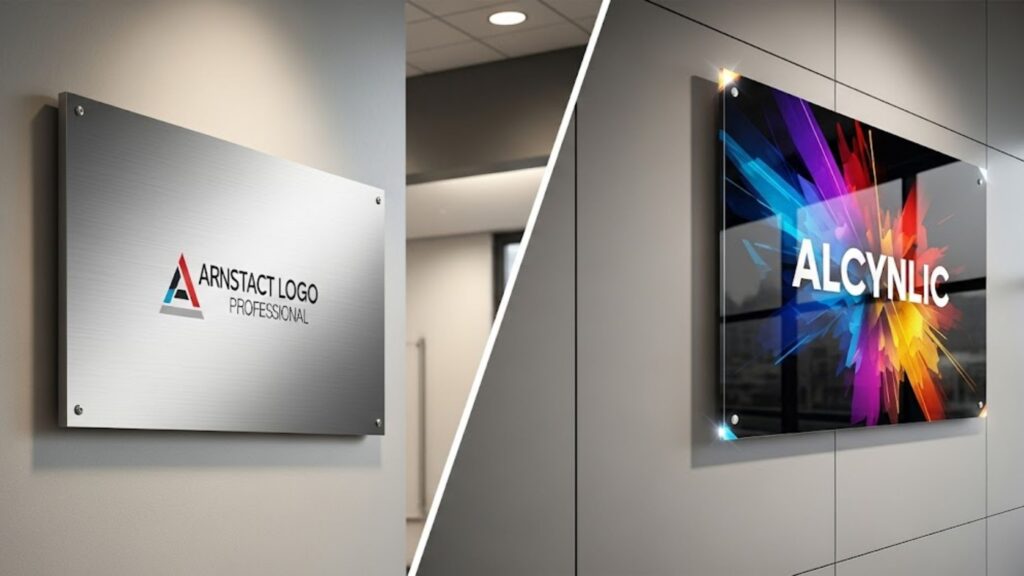
Sign Design Services Houston reports that aluminum signs are metal-based panels prized for their structural strength and resistance to corrosion, while acrylic signs are thermoplastic sheets valued for their optical clarity and modern aesthetics. Aluminum offers a robust platform suitable for outdoor environments, providing long-term stability under UV exposure and humidity. Acrylic brings a glass-like appearance that accentuates color vibrancy and backlighting possibilities, often preferred in upscale indoor and outdoor applications. Both materials support high-quality printing and cutting techniques, yet the choice hinges on the intended use, budget, and brand identity.
Aluminum’s composition typically includes a protective oxide layer that wards off rust, making it a prime candidate for extended outdoor installations in Houston’s humid summers. It can be coated, painted, or powder-coated to achieve custom branding palettes and resist fading over time. Acrylic, on the other hand, is extruded or cast into sheets that deliver superior light transmission, often reaching up to 92% clarity, which elevates the perceived value of high-end retail, hospitality, and corporate signage.
Many signage professionals, including Sign Design Services Houston, emphasize that selecting the appropriate substrate lays the foundation for every successful brand display. They recommend evaluating load requirements, installation logistics, and long-term maintenance before committing to any material.
Why Choose Aluminum for Outdoor Signage in Houston?
Aluminum is synonymous with durable outdoor signs in cityscapes where longevity and resistance to wear define successful sign strategies. Its lightweight, yet rigid construction allows installers to mount larger panels with ease, reducing labor costs and installation time. Because aluminum resists corrosion, businesses can trust that their brand messaging remains bold and legible through Houston’s heat, occasional downpours, and coastal breezes.
Resistance to Corrosion and Rust
Aluminum naturally forms an aluminum oxide layer upon exposure to air, effectively shielding the metal beneath from moisture and corrosive elements. This self-healing barrier means signs retain structural integrity without frequent repainting or sealant reapplication. In a market where durable outdoor signs must stand up to rust and mold, aluminum consistently outperforms unprotected steel or untreated wood substrates.
Durability and Load-Bearing Capacity
While aluminum is lightweight, it exhibits a high strength-to-weight ratio that surpasses many plastics. This makes it ideal for freestanding post-and-panel signs or larger channel letters mounted on façades. The material’s flexibility under impact also reduces the risk of catastrophic failure in the event of strong wind gusts or accidental contact, maintaining a professional appearance even after minor dents.
Finish Options and Color Fidelity
Finishing techniques such as powder coating, anodizing, and direct-print graphics allow for precise color matching to brand standards. Anodized surfaces offer a metallic sheen and increased scratch resistance, whereas powder coatings can achieve matte, satin, or gloss finishes that resist UV fading. These finish options ensure aluminum signs remain vibrant and true to brand guidelines year after year.
What Are the Key Advantages of Acrylic Signs for Houston Businesses?
Acrylic signs deliver remarkable acrylic sign benefits that elevate brand visibility through a combination of clarity and design versatility. The material’s capacity to mimic the gloss of glass without its fragility makes it an attractive choice for retail storefronts, corporate offices, and exhibition displays. Acrylic is also compatible with a range of printing and finishing processes, enabling intricate graphics and three-dimensional forms.
Clarity and Aesthetic Appeal
Acrylic’s inherent transparency ranges from crystal clear to tinted or frosted, allowing businesses to tailor the opacity for different applications. Light can pass directly through without significant distortion, making acrylic ideal for backlit or edge-lit signage where illumination enhances legibility and draws attention.
Versatility in Finishes and Shapes
Acrylic sheets can be thermoformed, laser-cut, or CNC-routed into complex geometries, from curved reception desk signs to large dimensional letters. Surface treatments like UV-curable inks, digital printing, and film overlays expand the creative palette, supporting vibrant logos, textured graphics, and patterned accents.
Indoor Applications and Backlit Displays
While acrylic can perform outdoors with proper UV stabilization, its sweet spot lies in interior installations. Conference rooms, lobbies, and point-of-sale areas benefit from the material’s premium look and protective glazing for printed graphics. Paired with LED light sources, acrylic transforms into an illuminated focal point that enhances brand storytelling after dusk without bulky fixtures.
How Weather Resistant Materials Influence Sign Longevity
Choosing weather resistant materials is paramount for signage that retains its appeal despite Houston’s extreme humidity, heavy rainfall, and intense sun exposure. Substrates that incorporate UV-stabilized coatings or inherently resist moisture reduce the risk of delamination, color degradation, and structural warping. Both aluminum and acrylic can be engineered to withstand local environmental stressors, but their maintenance requirements differ.
Metal substrates like aluminum benefit from factory-applied powder coatings that lock in pigments and form an impermeable barrier against moisture. Acrylic sheets can be bonded with UV-resistant adhesives and overlaid with protective films to block yellowing. For businesses seeking hands-off upkeep, aluminum typically requires less periodic inspection, whereas acrylic installations demand occasional cleaning and UV treatment checks to preserve clarity.
Side-by-Side Comparison of Aluminum and Acrylic Signs
| Feature | Aluminum Signs | Acrylic Signs |
| Durability | Very high; resists rust, impact, and corrosion | Moderate; durable but prone to scratches and yellowing |
| Weather Resistance | Excellent; ideal for harsh outdoor conditions | Good outdoors with UV treatment; best indoors |
| Weight | Lightweight metal; easy to mount | Lightweight plastic; easy to handle |
| Finish Options | Powder coating, anodizing, direct printing | UV printing, laminates, film overlays |
| Optical Clarity | Opaque; requires graphic overlays | High clarity; excellent for backlit displays |
| Cost (Material + Finish) | Moderate-high initial cost; low maintenance | Moderate initial cost; moderate maintenance |
| Longevity | 10–15 years or more | 5–10 years with UV protection |
Design Flexibility and Customization Opportunities
Brand managers and graphic designers continually push the boundaries of sign aesthetics, combining materials, finishes, and illumination. While acrylic shines in fine-detail applications, aluminum delivers structural versatility for large-scale installations.
Graphic Printing and Vinyl Overlay
Both materials accept vinyl graphics, digital prints, and screen printing. Vinyl overlays on aluminum can achieve textured or metallic effects, whereas direct UV-cured printing on acrylic embeds vibrant imagery. Complex gradations and photographic elements appear more vivid on acrylic due to its reflective surface, but aluminum substrates can be embossed or die-cut for tactile branding.
Organizations exploring illumination routes often reference comparisons like LED Signs vs. Neon Signs to gauge energy consumption and light quality, but substrate selection remains equally critical. A durable metal backer paired with low-profile LEDs ensures consistent light distribution, while acrylic elements can be precisely cut for edge-lit brilliance.
Cutting Techniques: CNC Routing vs. Laser Etching
Precision in edge quality and depth control differentiates CNC routing from laser etching. Aluminum signs often undergo CNC routing to carve letters and shapes from thicker panels, providing structural robustness. Laser etching on acrylic yields sharp edges and smooth finishes, enabling fine filigree and inlays. Expertise in both techniques allows sign fabricators to recommend the optimal approach for each material’s characteristics.
Cost Considerations for Aluminum vs. Acrylic Signs in Houston
Budgeting for signage involves balancing upfront material costs, installation complexity, and long-term maintenance expenses. Aluminum typically commands a higher per-square-foot price due to metal fabrication processes, but its low lifecycle costs can yield superior return on investment. Acrylic offers a more modest entry point, especially for smaller signs or temporary installations, yet may require replacement or refinishing sooner.
Decision-makers may analyze case studies in Custom Sign Design vs. A Generic Sign to understand how customization elements can influence overall expenditures. Bespoke aluminum panels with specialized finishes elevate brand perception and last longer, while standardized acrylic sheets may suffice for short-term promotions or interior wayfinding.
Installation and Maintenance Best Practices
Proper installation ensures that signage fulfills its intended service life without frequent call-backs. Aluminum signs should be mounted with stainless steel hardware and sealant tapes to prevent galvanic corrosion. Acrylic installations demand even support and flexible gaskets to accommodate thermal expansion and reduce stress fractures.
While signage evolves through digital displays, comparing Digital Signs vs. Static Signs reveals that traditional materials like aluminum and acrylic still hold strong for foundational installations. Routine maintenance for aluminum involves periodic washings and touch-up painting, whereas acrylic channels benefit from gentle cleaning solutions and UV protective coatings. Clear service agreements with fabricators help Houston businesses plan maintenance tasks and budgets well in advance.
Making the Right Choice for Your Houston Business
Every business faces unique factors when selecting signage materials, from branding goals to site constraints and regulatory requirements. Aluminum excels where outdoor permanence, minimal upkeep, and professional finishes are priorities. Acrylic distinguishes itself in premium displays, illuminated features, and intricate graphic applications under controlled environments.
Business leaders can leverage Sign Design Services Houston to audit site conditions and material supply chains at scale, ensuring compliance with municipal codes and optimizing installation workflows. For comprehensive assistance, many firms partner with MSK Sign Company to align their material selection, design requirements, and regional regulatory compliance into a cohesive signage solution. Collaborating with experienced professionals streamlines permit acquisition, structural engineering approvals, and post-installation inspections, minimizing unexpected costs and delays.
Frequently Asked Questions
How long do aluminum signs last outdoors in Houston?
Aluminum signs with factory-applied powder coatings or anodized finishes typically last between 10 and 15 years, even in Houston’s high-humidity climate. Proper sealing of edges and regular cleaning extend their lifespan beyond a decade.
Are acrylic signs weather-resistant for Houston’s climate?
Acrylic signs can withstand outdoor conditions if they incorporate UV stabilizers and protective films. Without these treatments, acrylic may yellow or become brittle after prolonged sun exposure. Indoor applications guarantee maximum longevity, often exceeding eight years with proper care.
Can aluminum and acrylic signs be backlit?
Yes. Aluminum backs provide a sturdy housing for LED fixtures, while acrylic faces or accents diffuse light evenly. Combining these materials enables vibrant, energy-efficient backlit signage that operates reliably in both interior and exterior installations.
Which is more cost-effective: aluminum or acrylic signs?
Acrylic usually has a lower initial cost, especially for small-scale or temporary signs. However, aluminum’s resilience and minimal maintenance often result in lower total cost of ownership over a sign’s lifecycle. The right choice depends on the installation environment and branding expectations.
What are the maintenance requirements for aluminum vs. acrylic?
Aluminum requires occasional washing with mild detergents and touch-up painting to address any surface blemishes. Acrylic demands gentle cleaning with non-abrasive solutions and periodic inspection of UV-protective coatings to prevent yellowing and maintain clarity.
Conclusion
In conclusion, selecting between aluminum and acrylic signage demands a strategic assessment of durability, aesthetic ambitions, and financial considerations. Businesses must weigh long-term performance against initial investments, factoring in Houston’s unique climate challenges and local regulations. By partnering with experienced providers, organizations can streamline every step—from material procurement to post-installation care—ensuring that each sign becomes a lasting ambassador for their brand. For tailored, turnkey solutions, MSK Sign Company offers industry-leading expertise backed by comprehensive Sign Design Services Houston, empowering businesses to make confident material choices and achieve standout visibility.