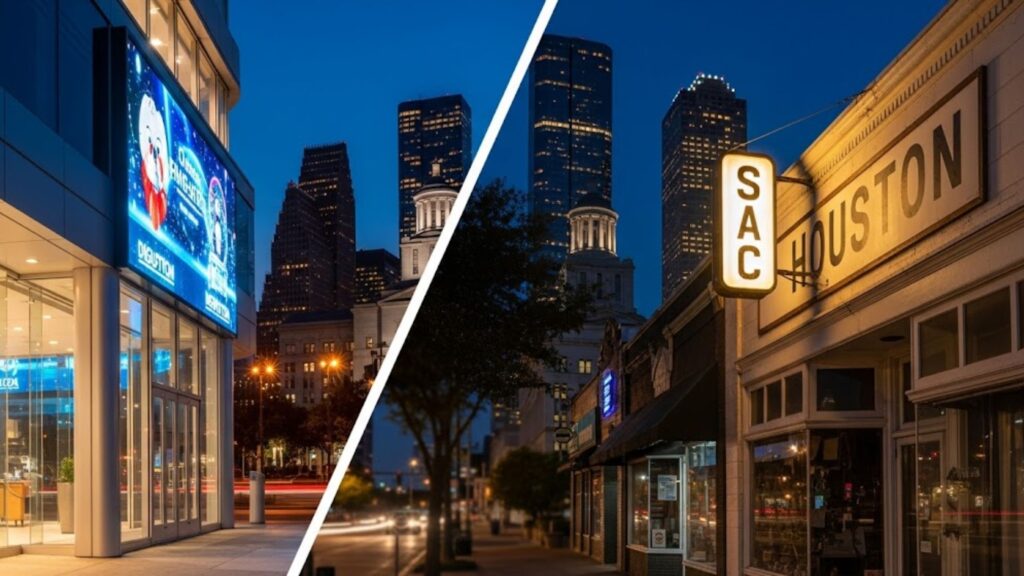
When a Houston business evaluates its visual communication strategy, the choice between digital signs and static signs emerges as a pivotal decision. Sign Design Services Houston has evolved into a critical consideration for local enterprises seeking to maximize visibility, engagement, and return on investment. In an ever-changing marketplace, businesses demand dynamic solutions that can adapt to promotions, weather events, and real-time data. This comprehensive analysis weighs the advantages and limitations of both approaches to help business owners make an informed selection.
In this ultimate showdown, digital signs leverage cutting-edge technology to deliver animated content, while static signs rely on timeless craftsmanship to project a constant brand image. From energy consumption to content flexibility, each option exhibits unique traits that influence installation, maintenance, and customer interaction. By exploring hardware requirements, cost comparisons, and placement strategies, Houston brands can align their signage investments with long-term marketing objectives. This guide presents an objective, third-person overview to equip decision-makers with actionable insights.
How has digital signage changed the way businesses communicate?
Sign Design Services Houston encounters rapid innovation as digital signage evolves beyond simple displays. Modern displays integrate content management systems (CMS), interactive touchscreens, and real-time data feeds to craft messages that resonate with customers. The ability to schedule breakfast menus in the morning and promotions at midday exemplifies the flexibility digital signs afford. This dynamic approach transforms passive observers into engaged participants, fundamentally altering how businesses broadcast their brand narratives.
From restaurant chains in Montrose to retail boutiques in The Heights, digital signage revolutionizes in-store experiences. Deploying electronic message boards alongside traditional static signage enables operators to offer instant updates on inventory, weather alerts, or flash sales. The incorporation of social media feeds, live news, and weather widgets fosters a sense of immediacy that static boards cannot match. Consequently, digital signage shifts communication from one-way billboards to interactive dialogues with potential customers.
Businesses using digital signs often report improved conversion rates and stronger brand recall. Animations, video loops, and motion graphics capture attention in high-traffic zones such as the Galleria or Buffalo Speedway corridors. By tailoring content to time of day or local events—like Astros games or Rodeo Houston—brands can optimize relevance and drive foot traffic. In sum, digital signage empowers Houston enterprises to engage audiences with targeted, visually compelling displays.
Why Sign Design Services Houston Matter in Digital vs Static Signage
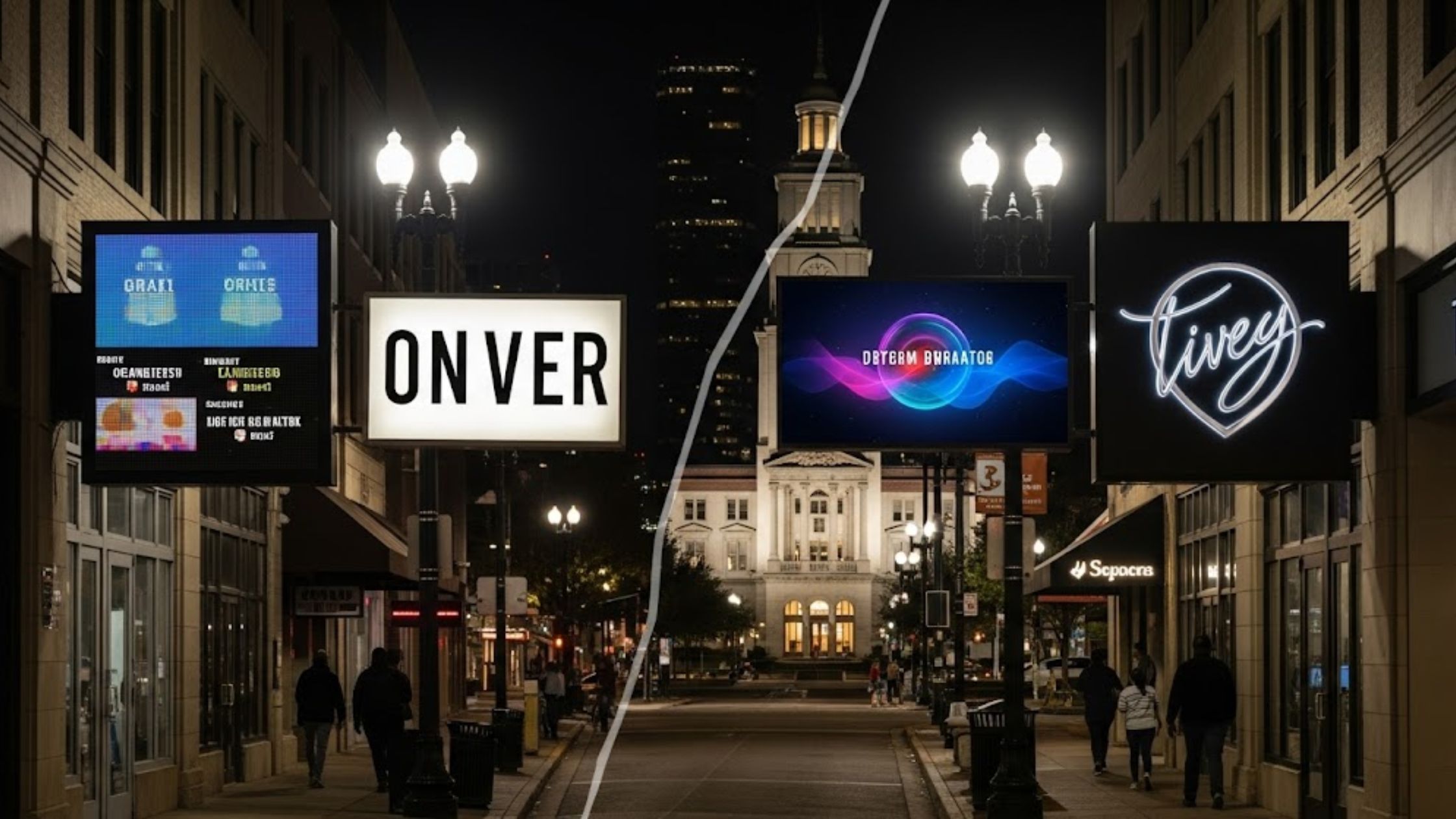
Sign Design Services Houston serve as the foundation for selecting between digital and static options. These specialized providers guide businesses through permitting, installation, and compliance with City of Houston ordinances. Experienced sign consultants evaluate site visibility, electrical access, and local competition to recommend optimal sign types. With expertise in zoning regulations and safety codes, Sign Design Services Houston ensure installations proceed smoothly and legally.
A local sign design firm assesses environmental factors unique to Houston’s climate—humidity, high winds, and intense sunlight—to recommend durable materials and protective finishes. Whether advising on a digital LED video wall at a retail storefront or a channel-letter monument sign at a medical campus, these services mitigate risk and extend sign lifespan. In a market crowded with visual stimuli, professional guidance from Sign Design Services Houston can distinguish a brand’s messaging from the noise.
By leveraging localized knowledge, businesses optimize their investment in signage infrastructure. Customized site surveys identify prime locations for static pylon signs or digital menu boards, ensuring maximum exposure and compliance. Sign Design Services Houston also coordinate with electricians, engineers, and permitting offices, streamlining the project timeline. Their role is indispensable for Houston businesses aiming to capitalize on both static sign ROI and digital sign benefits.
What are the top benefits of digital signs?
Digital signs offer unparalleled flexibility through on-the-fly content updates. A centralized CMS enables marketers to push new promotions instantly across multiple screens, eliminating printing delays and recurring production expenses. This agility proves invaluable during seasonal campaigns or time-sensitive flash sales. By automating updates, businesses drastically reduce overhead costs associated with design revisions and installation labor.
Enhanced engagement stands as another hallmark of digital signage. Movement and animation draw the human eye far more effectively than static displays. Studies indicate that viewers retain 83% of visual information three days after exposure, compared to 10–20% for text alone. Interactive features—touchscreens, QR codes, and gesture recognition—foster deeper connections and encourage on-site purchases, from impulse buys at checkout aisles to limited-time offers in waiting areas.
Digital signs also generate actionable analytics. By integrating with sensors and software, systems track dwell time, click-through rates on interactive displays, and overall impressions. These data points inform content strategies and scheduling, helping businesses refine messaging to boost return on investment. In contrast, static signs provide no real-time feedback, making it difficult to gauge effectiveness or optimize placement.
The total cost of ownership for digital displays amortizes over time through savings on printing, design, and labor. Energy-efficient LED panels reduce power consumption, and remote maintenance often requires only software patches rather than on-site technician visits. For businesses concerned with sustainability, digital signage reduces paper waste and decreases the frequency of material replacements. As an integrated solution, electronic message boards amplify brand messaging while streamlining operations.
Many businesses evaluate their needs with Sign Design Services Houston to identify the most impactful signage types. By consulting professionals, companies can balance digital sign benefits against long-term goals and budgets.
What constitutes the ROI for static signs and how does it compare?
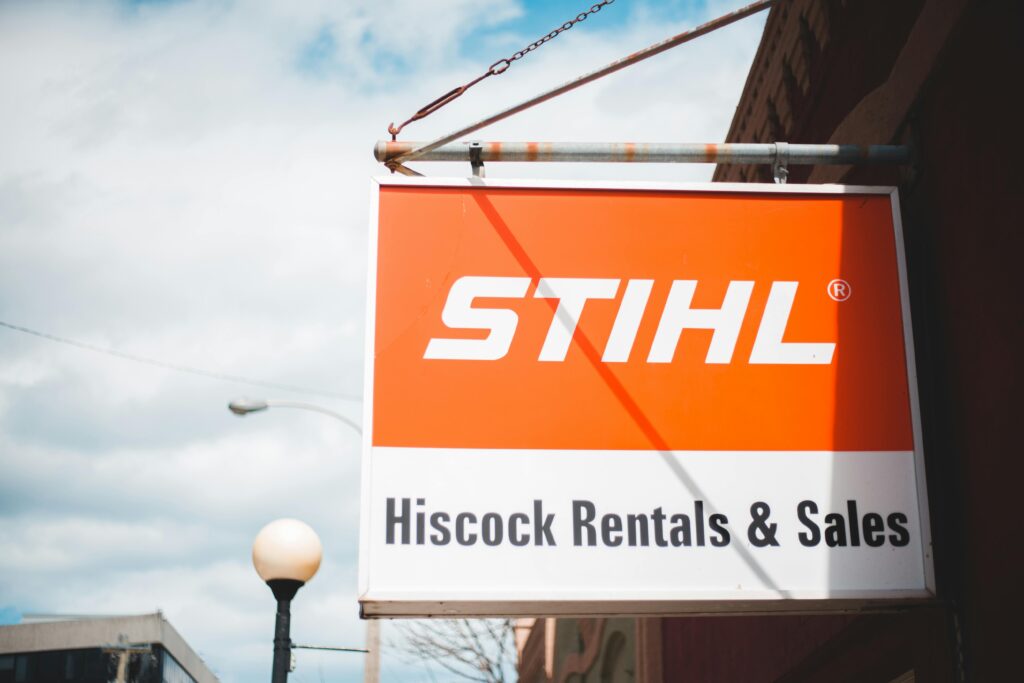
Static sign ROI hinges on simplicity, durability, and one-time investment. Fabricated from materials like aluminum, acrylic, and high-density foam, static signs can endure harsh weather conditions typical of Houston’s summer heat and Gulf Coast humidity. Once installed, these signs require minimal upkeep—occasional cleaning and repainting may suffice for decades of service. This stability appeals to businesses seeking consistent brand exposure without ongoing content management.
The upfront cost of static signs typically undercuts digital alternatives. Small shop owners and non-profits often choose banners, window graphics, or panel signs to stay within tight marketing budgets. For long-term campaigns—such as wayfinding graphics in a medical complex or corporate branding on a warehouse facility—static signage offers predictable expenditures and straightforward functionality.
However, hidden costs emerge when static signs require content changes. Each update demands design, printing, and installation fees, which accumulate over time. For businesses that run frequent promotions, this model can prove less cost-effective than digital displays. Static signs also lack interactivity and real-time data capabilities, limiting their ability to captivate modern consumers accustomed to dynamic content.
Measuring ROI for static signage depends on installation location and signage type. Monument signs at major intersections often deliver high visibility and generate foot traffic. Conversely, indoor directional signs serve a purely functional purpose with limited promotional impact. Businesses must weigh the steady performance of static signs against the adaptability and data insights of digital signage.
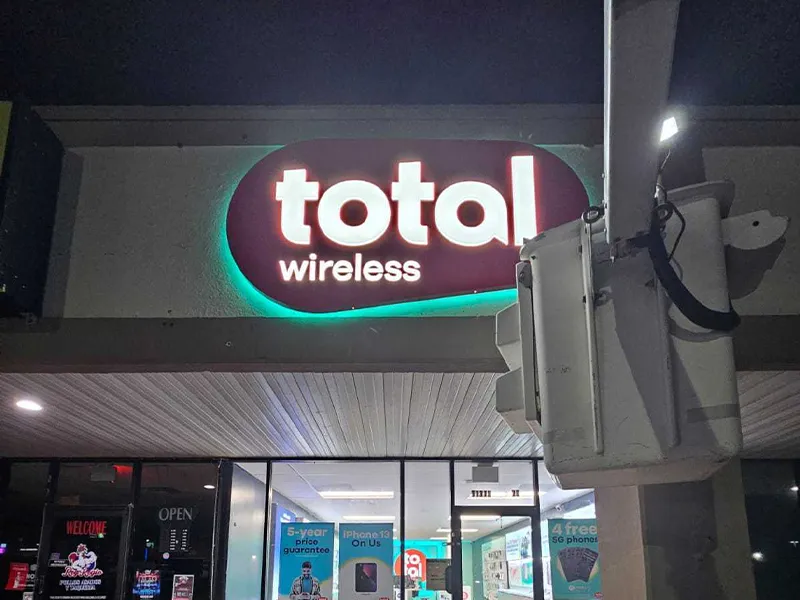
To refine choices further, owners often compare LED Signs vs. Neon Signs to weigh brightness and energy considerations. LED options blend dynamic capabilities with cost-effective illumination, whereas neon maintains a classic aesthetic at higher maintenance expenses.
Are commercial displays the right choice for digital signage?
Commercial-grade displays distinguish themselves from consumer-grade monitors through enhanced durability, brightness, and longevity. Designed for 16-hour daily operation with robust cooling systems, these screens withstand constant use in high-traffic environments. Whether installed in lobbies, drive-thru lanes, or retail storefronts, commercial displays deliver consistent performance under varied lighting conditions.
Key factors to evaluate include ambient light levels, viewing distance, and content type. High-brightness LCD panels excel outdoors or near windows, reducing glare and maintaining legibility. In contrast, indoor LED video walls offer seamless large-format presentations for corporate events or hospitality venues. Businesses must consider factors like IP rating for weatherproofing, vandal protection, and integrated thermal management.
Selecting the Right Hardware
Choosing an appropriate media player and CMS is as crucial as selecting the display itself. Embedded players simplify installation but may limit software flexibility. External media players provide robust processing power, easier software upgrades, and expanded connectivity options. Houston businesses should assess compatibility with existing networks and scalability for future expansion.
Weatherproofing and Installation
Outdoor digital signage requires enclosures rated for rain, dust, and temperature extremes. NEMA-rated cabinets protect internal electronics while custom frames ensure secure mounting on façades or freestanding poles. Attention to cable routing, ventilation, and power redundancy safeguards against downtime and potential safety hazards.
Screen Size and Resolution
Viewers naturally look toward larger, higher-resolution displays for detailed content such as video, product demos, or digital menus. Conversely, simple text-and-graphic announcements may function well on smaller, lower-resolution screens. By aligning screen specifications with content goals, businesses optimize engagement and control costs.
Where should digital signage be placed for maximum impact?
Placement strategy dictates signage effectiveness in a bustling city like Houston. Identifying zones of high foot traffic—lobby entrances, reception desks, and retail corridors—ensures better audience reach. Eye-level positioning improves legibility, while elevated kiosks or pylons capture attention from across wide plazas or parking lots.
Indoor vs Outdoor Placement
Indoor digital signs thrive in climate-controlled environments where fine details and touch interactivity matter. Shopping malls, corporate lobbies, and conference centers capitalize on large indoor screens to deliver wayfinding, event schedules, and promotional content. Outdoor installations must consider direct sunlight, reflections, and potential vandalism, favoring rugged LED displays with anti-glare coatings.
Zoning and Code Compliance
Houston’s sign ordinances regulate size, lighting, and placement to maintain urban aesthetics and pedestrian safety. Setback requirements, height restrictions, and historic district guidelines necessitate thorough permitting. Professional consultants navigate municipal codes to avoid fines and revise designs for swift approvals.
Some businesses find value in consulting Custom Sign Design vs. A Generic Sign comparisons to select the right level of onsite customization and branding cohesion.
Which digital signage system is best for your business?
Content management systems (CMS) form the backbone of any digital signage network. Cloud-based solutions deliver remote control, automatic updates, and multi-user access without on-site IT infrastructure. On-premises software offers greater data security and offline operation, suitable for organizations with restricted internet access or stringent compliance demands.
Security and Reliability
Digital signage systems handle sensitive data and remote access. Platforms incorporating HTTPS encryption, two-factor authentication, and automatic backups mitigate cybersecurity risks. Managed services provide 24/7 monitoring, troubleshooting, and firmware updates to maintain system integrity and uptime.
Integration with Existing Tools
Integration with point-of-sale (POS) systems, inventory databases, and social media platforms enriches content. Retailers sync digital menu boards with POS terminals to reflect real-time pricing and availability. Educational campuses display class schedules and emergency alerts by tapping into campus management software.
Ease of Use
Intuitive drag-and-drop interfaces accelerate content creation for non-technical staff. Prebuilt templates and drag-and-schedule functionality reduce training time and empower marketing teams to manage multiple screens across different locations from a single dashboard.
Implementation and content strategy
A successful signage initiative demands thorough planning and content governance. Stakeholders must define objectives—brand awareness, sales promotion, or informational support—and develop a content calendar aligned with business cycles and local events. Approval workflows ensure consistent branding across all displays.
Staff training reinforces system operation and basic troubleshooting. Clear guidelines for updating messaging safeguard against outdated or conflicting content. Regular maintenance schedules—screen cleaning, software updates, and hardware inspections—extend asset lifespan and prevent signage downtime.
Collaborative workflows involving marketing, IT, and facilities teams streamline processes. Centralized asset libraries store approved images, videos, and templates for quick access. By establishing clear roles and responsibilities, businesses minimize errors and expedite content deployment.
| Feature | Digital Signage | Static Signage |
| Initial Cost | Higher hardware and installation costs | Lower printing and fabrication costs |
| Content Updates | Instant, remote, real-time | Manual, print-and-replace |
| Engagement | Animated, interactive | Consistent, non-dynamic |
| Maintenance | Periodic software and hardware checks | Occasional cleaning and durability checks |
| Energy Consumption | Moderate, energy-efficient LEDs | None (passive display) |
| ROI Potential | Higher long-term through reduced updates | Steady and predictable |
| Best Use Cases | Promotions, menus, wayfinding, events | Branding, directories, long-term messaging |
Future trends and innovations in signage
The next frontier in signage merges artificial intelligence, internet of things (IoT), and immersive technologies. AI-driven content recommendations dynamically adjust messaging based on audience demographics and time of day. Smart sensors track pedestrian flow to optimize display schedules and heights.
Augmented reality (AR) overlays transform physical displays into interactive experiences. Visitors at museums or showrooms can use AR-enabled screens to explore product specifications, virtually place items in spaces, or access language-translation features for international guests.
Sustainability initiatives drive adoption of solar-powered displays and recyclable materials. Carbon-neutral signage systems harness renewable energy sources and modular designs to reduce electronic waste. Houston businesses exploring green credentials may integrate eco-friendly signage into broader corporate responsibility programs.
As 5G networks mature, ultra-low latency will enable live video streaming and remote control for distributed signage networks. Real-time event broadcasting—such as live sports, concerts, or emergency alerts—will become increasingly seamless and responsive.
FAQs
Are commercial displays the right choice for digital signage?
Commercial displays offer specialized durability, higher brightness, and longer warranties compared to consumer-grade TVs. These units are engineered for extended operation, advanced security features, and simplified remote management—ideal for business environments that require reliable digital signage.
Which digital signage system is best for your business?
The optimal system depends on operational needs and resources. Cloud-based CMS platforms excel in multi-site deployments with remote content updates, while on-premises solutions suit scenarios requiring strict data security and offline functionality. Assess features like user interface, integration with POS or CMS tools, and customer support services before committing.
How has digital signage changed the way businesses communicate?
Digital signage has shifted communication from static messages to dynamic, interactive experiences. By enabling real-time content updates, motion graphics, and data integrations, digital signage transforms passive viewers into active participants and provides deeper insights through engagement analytics.
Where should digital signage be placed?
Effective placement focuses on high-traffic areas at eye level for maximum visibility. Entrances, reception areas, drive-thru lanes, and retail aisles are prime locations. Outdoor installations require weatherproof enclosures and glare minimization, while indoor screens benefit from controlled lighting and comfortable viewing distances.
When will digital signage be updated?
Digital signage updates occur instantly via a centralized CMS. Businesses schedule content changes in advance or trigger on-demand updates for time-sensitive promotions, weather alerts, or emergency notifications. Automated workflows ensure content stays fresh without manual intervention.
Final Words
In the ultimate showdown between digital signs and static signs, businesses must align their marketing goals, budget constraints, and operational requirements. Digital signage excels in adaptability, engagement, and data-driven strategies, while static signage offers enduring visibility with minimal maintenance. For Houston enterprises seeking expert guidance, Sign Design Services Houston and specialized partners like MSK Sign Company deliver tailored solutions that balance innovation with reliability. By leveraging comprehensive site assessments and strategic content planning, businesses can secure high ROI, lasting brand impact, and sustained audience engagement.