Outdoor signage remains one of the most effective marketing tools for local businesses. In an age of digital ads and social media, a well-designed sign can still stop traffic—literally. A strong storefront display not only draws in passersby but also reinforces brand identity and drives foot traffic. Whether you’re a retail shop, restaurant, or service provider, understanding the fundamentals of outdoor signage is essential to building lasting connections with your community.
What Is Outdoor Signage?
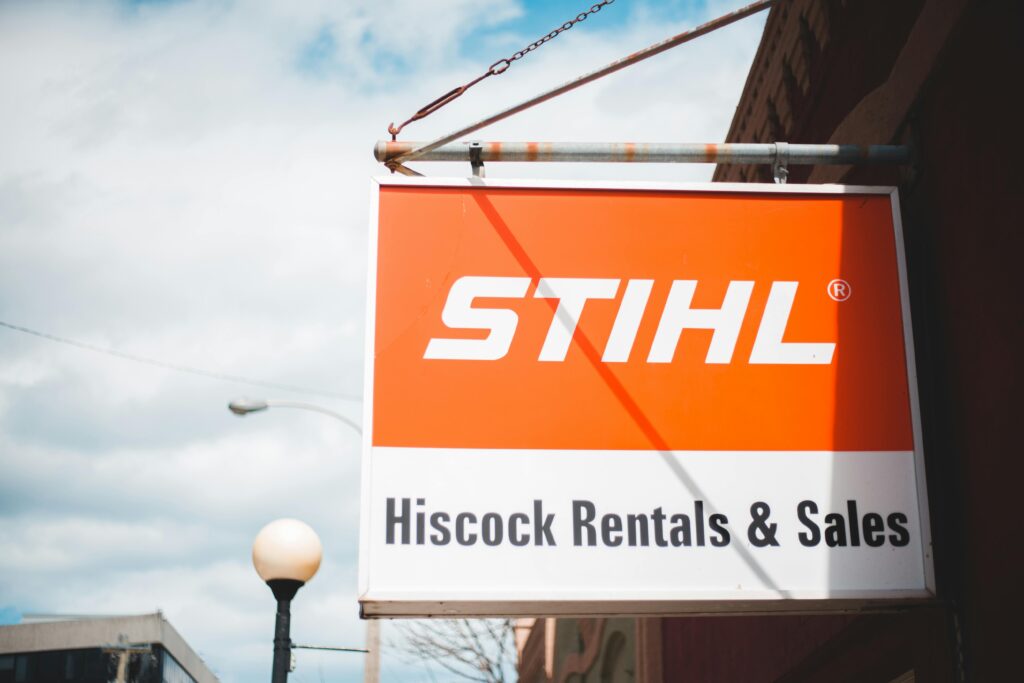
Outdoor signage encompasses any visual display installed outside a business’s premises. This includes storefront signs, channel letters, banners, awnings, and architectural installations. Each type of sign serves a unique purpose—some inform and direct, while others captivate and inspire. Key entities in outdoor signage include:
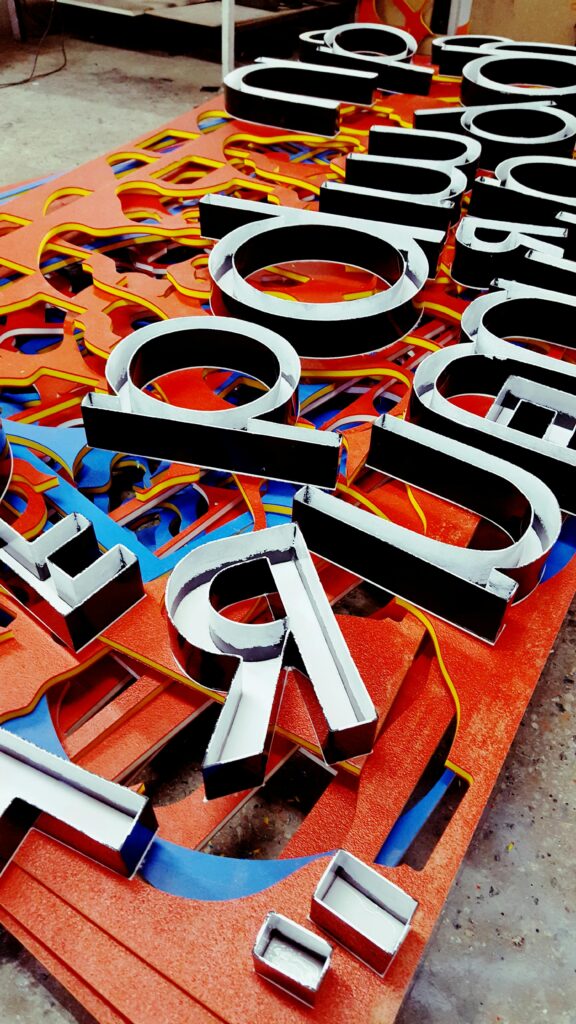
- Exterior signage materials (aluminum, acrylic, PVC foam)
- Building signs and façade graphics
- Wayfinding and directional panels
- Custom installations reflecting brand colors and logos
By combining these components, businesses create eye-catching landmarks that guide, inform, and engage their audience.
Core Elements of Effective Outdoor Signage
Designing a standout sign involves more than just slapping a logo on a board. Successful installations balance four critical factors:
- Visibility: High-contrast colors and legible typography ensure your message is clear at a distance.
- Durability: Weatherproof materials and UV-resistant coatings protect your investment against sun, rain, and wind.
- Brand Consistency: Signage design should mirror your logo, color palette, and overall brand voice.
- Location & Placement: Strategic positioning maximizes exposure—consider sightlines, vehicle traffic, and pedestrian flow.
These elements work together to transform a simple structure into a powerful branding asset.
Comparing Common Signage Materials
| Material | Durability | Cost Range | Ideal Use Cases |
| Aluminum | Excellent weather resistance; rust-proof | $$ | Channel letters, building signs |
| Acrylic | High clarity; moderate scratch resistance | $$$ | Backlit signs, dimensional letters |
| PVC Foam | Lightweight; UV-treated variants available | $ | Temporary banners, wayfinding signs |
| Wood | Natural aesthetic; requires regular sealing | $$–$$$ | Boutique shops, heritage buildings |
Selecting the right substrate depends on your budget, desired lifespan, and aesthetic goals.
The Impact of Signage Design
From conceptual sketches to final installation, signage design dictates how effectively your message is communicated. Thoughtful use of hierarchy—placing your brand name at the top, followed by a tagline and supporting graphics—guides the viewer’s eye. Incorporating entities like local landmarks or community icons can also foster a deeper connection with your neighborhood audience.
When you browse our Custom Outdoor Signs, you’ll notice each design starts with a mood board, mood mapping, and end-user profiling to ensure every letter, logo, and color choice aligns with your brand story.
Why Custom Outdoor Signs Still Matter
In a crowded marketplace, local brands need every advantage to stand out. Off-the-shelf solutions lack the personalized touch that helps forge emotional bonds. With Custom Outdoor Signs, you can:
- Tailor dimensions to unique storefront architecture
- Integrate specialty finishes like brushed metal or gold leaf
- Embed your logo in 3D for added depth and shadow play
These bespoke solutions deliver a professional look that mass-produced signs simply can’t match.
Incorporating Light for Maximum Impact
Nighttime visibility is a game-changer. Integrating lighted signs with LEDs or neon not only extends your brand’s presence 24/7 but also enhances curb appeal. Common illumination methods include:
- Front-lit channel letters for crisp, halo-free displays
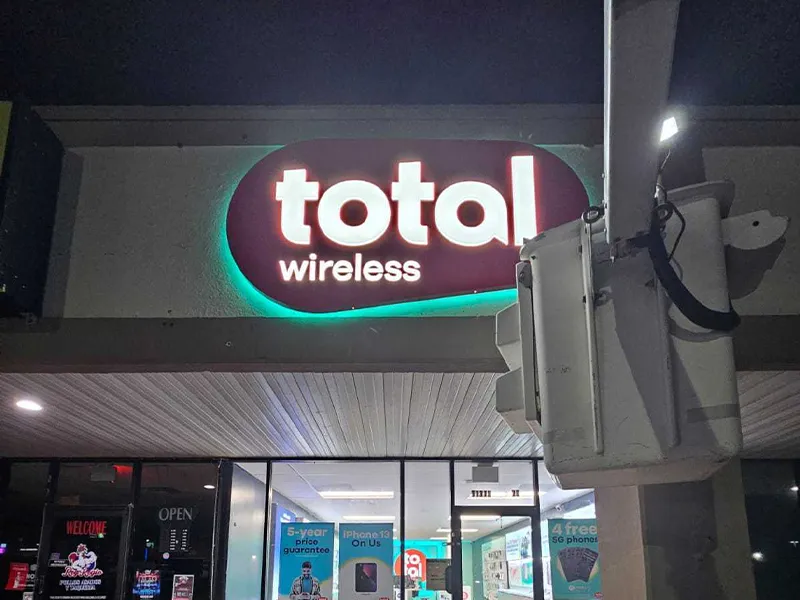
- Backlit (“halo”) letters for soft glow around each character
- Edge-lit acrylic panels for a modern, slim profile
- Neon accents for vintage charm and color saturation
Each lighting option carries its own power requirements, maintenance schedule, and cost considerations. Discussing these factors upfront ensures your sign remains vibrant and reliable.
Illuminated vs. Non-Illuminated Signage
| Feature | Illuminated Signs | Non-Illuminated Signs |
| Visibility at night | High | Low |
| Energy consumption | Moderate to high (LEDs) | None |
| Initial cost | $$$ | $–$$ |
| Maintenance frequency | Quarterly (LED checks) | Annual (cleaning) |
| Branding effect | Premium, attention-grabbing | Traditional, budget-friendly |
Choosing between these depends on your operating hours, local ordinances, and long-term marketing strategy.
Maintenance and Longevity
Outdoor signage performs under harsh conditions. To maximize lifespan:
- Apply UV-inhibiting varnishes on all printed surfaces.
- Schedule routine cleaning to remove bird droppings, dust, and pollutants.
- Inspect electrical components twice a year to catch wiring issues before they escalate.
- Refresh color-fast vinyl every 3–5 years, depending on sun exposure.
A small maintenance budget can prevent major replacement costs down the road.
Navigating Permits and Local Regulations
Municipal codes often dictate sign dimensions, illumination levels, and placement. Key steps include:
- Obtain a zoning variance if your sign projects beyond standard setbacks.
- Submit design drawings to the building department for approval.
- Ensure electrical installations comply with local electrical codes.
- Factor in permit fees and inspection timelines in your project plan.
Partnering with a full-service sign company can streamline this process, ensuring compliance and avoiding costly delays.
Measuring Return on Investment
Track the success of your outdoor signage through:
- Foot traffic counters near entry points.
- Comparing sales before and after installation.
- Conducting customer surveys on how they discovered your business.
- Monitoring website visits driven by geotargeted QR codes on the sign.
Well-placed, high-impact signs often pay for themselves within months through increased brand visibility and customer acquisition.
Frequently Asked Questions
How long does outdoor signage typically last?
With proper materials and maintenance, most outdoor signs last between 7–15 years before major refurbishment is needed.
What’s the difference between exterior signage and building signs?
Exterior signage refers to any sign installed outside, including banners and posters, while building signs are permanent installations affixed directly to a structure’s façade.
Can I install illuminated signage on a historical building?
Yes, but you may need special permits and to adhere to preservation guidelines for light levels and mounting hardware.
How do I choose between acrylic and aluminum for my sign?
Acrylic offers high visual clarity and is ideal for backlit applications. Aluminum is more durable and suited for channel letters and structural panels.
Is professional signage design worth the extra cost?
Absolutely. Expert design ensures brand consistency, optimized visibility, and adherence to best practices—resulting in higher impact and fewer costly revisions.
Conclusion
Outdoor signage remains a cornerstone of local brand marketing, combining visibility, durability, and design finesse to capture attention day and night. By selecting the right materials, integrating lighting thoughtfully, and navigating local regulations, businesses can craft signage that resonates with their audience and stands the test of time. From initial concept sketches to final installation, every step influences how your brand is perceived. Ready to elevate your curb appeal and drive sustained foot traffic? Reach out to MSK Sign Company—we specialize in delivering turnkey outdoor signage solutions that reflect your unique identity and vision.
Whether you need bold channel letters, bespoke banners, or expertly illuminated displays, our team ensures seamless project management from permit acquisition to routine maintenance. Let’s create a landmark sign that tells your brand’s story to everyone who passes by.